
Home textiles
Outdoor Pillow Inserts: US Market Data & China Sourcing Notes
Data snapshot: 2026-11-05 · Amazon US · Hot Selling · #47 · back to live rankings
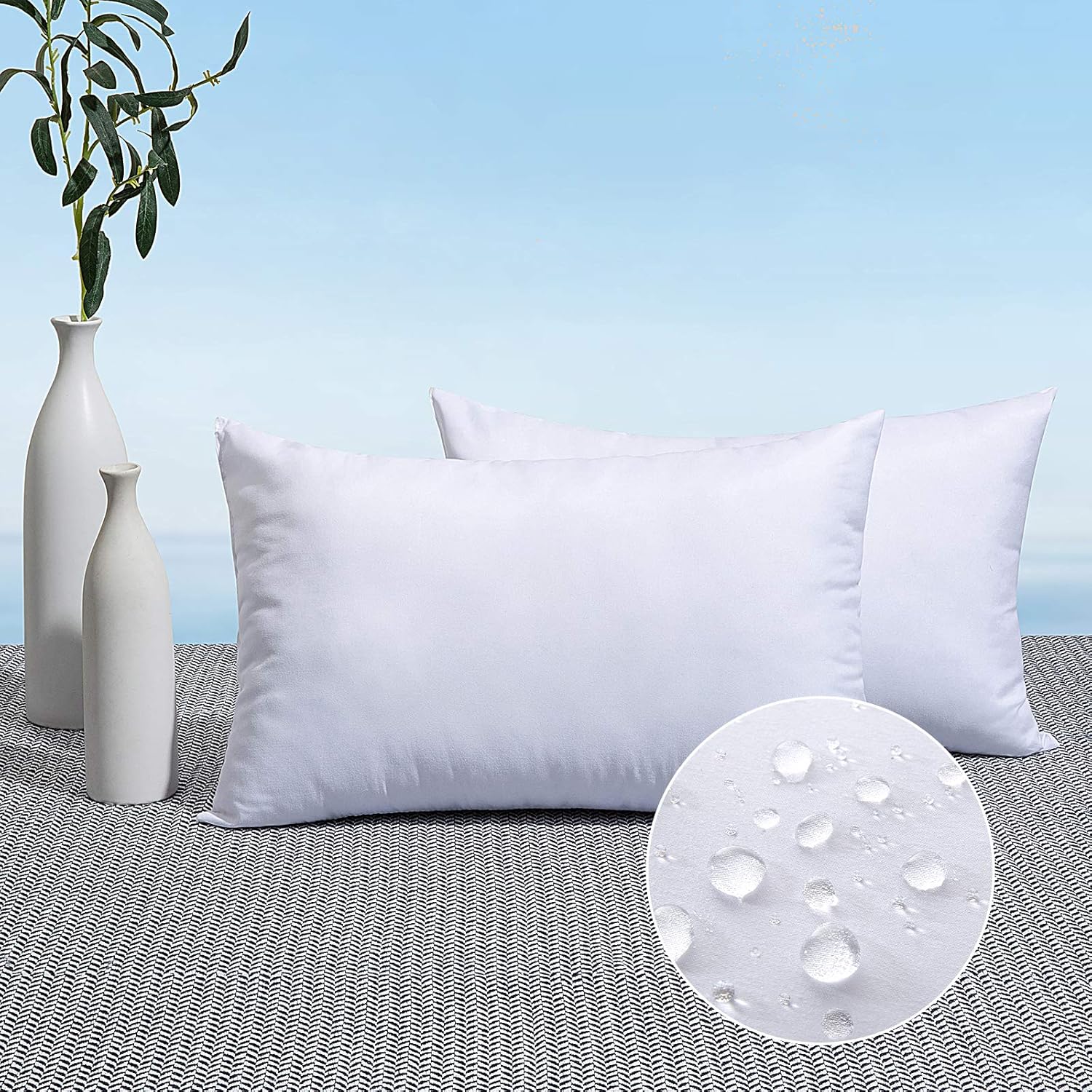
| Reference listing | MIULEE Pack of 2 12x20 Inch Outdoor Pillow Inserts Water-Resistant Decorative Premium Lumbar Pillow Stuffer Sham for Porch Swing Couch Sofa Cushion Patio Furniture |
|---|---|
| Marketplace & list | Amazon US · Hot Selling |
| Rank in list | #47 |
| Retail price (reference) | $26.80 |
| Monthly sales | 5,560 |
| Month-over-month growth | -20% |
| Rating | 4.4 ★ (117 reviews) |
| Listed since | Nov 2020 |
| Opportunity score | 37/100 |
| Data collected | 2026-11-05 |
Retail reference price on the destination marketplace — not a sourcing price. Ranking aggregated from public marketplace data; verify the live listing before making decisions.
Pillow inserts are the invisible half of the outdoor-living category: covers get the design credit, but the insert decides whether a cushion looks plump in photos or slumped after two weeks of patio use. Inserts are a repeat purchase driver for cover brands — a customer who buys covers almost always needs inserts sized to match — and they ship compressed, which keeps freight economics workable for a bulky product.
The item in this listing is a two-pack of 12 × 20 inch water-resistant inserts, the single most common lumbar size for patio and porch sets. A listing running since 2020 with steady monthly volume says the demand is tied to the outdoor-decor cycle rather than a viral moment: every spring restock season brings the same search traffic back.
What the numbers say
Read the snapshot with the season in mind: a #47 position on the Amazon US · Hot Selling with 5,560 two-packs sold in the past month and a -20% month-over-month move reflects where the patio season stands, not a trend break. A 4.4-star rating across 117 reviews on a commodity like this usually comes down to one thing buyers notice immediately — how well the insert fills the corners — so loft recovery after compression is the spec to test. The listing has been live since Nov 2020, which is another marker of an evergreen replenishment SKU.
Spec checklist — confirm these with the factory
| Shell fabric | Polyester woven or spunbond non-woven; "water-resistant" claims mean a coated shell or tight weave — confirm the coating method and whether it survives washing |
|---|---|
| Filling | Conjugated siliconized hollow fiber (best loft recovery) vs. recycled fiber fill; ask for fill weight in grams per insert, not just "overstuffed" |
| Size tolerance | Nominal 12 × 20 in inserts typically cut 1–2 in larger so corners fill out; confirm the actual cut size before sampling |
| Loft / firmness | GSM of fill plus quilting or no quilting; uncompressed loft height in inches is the measurable spec |
| Packing | Vacuum-compressed rolls or flat packs; compression for 30+ days must not permanently flatten the fill — test recovery after 2 weeks compressed |
| Cover closure | Edges sewn shut vs. hidden zipper for adjustable fill; sewn-shut is standard for inserts |
| Inner bag | A second inner liner prevents fiber leakage through the shell — cheap insurance against returns |
What drives the cost
- Fill weight — the single biggest cost lever; 100 g extra per insert is real money at container scale.
- Fiber grade — virgin conjugated fiber costs more than recycled but recovers better; outdoor brands usually pay it.
- Shell coating — a water-repellent finish or coated shell adds cost and changes the hand feel.
- Compression packing — vacuum bags and retail headers add unit cost but multiply how many units fit a container.
Compliance & documentation
- US flammability: stuffed articles can fall under state-by-state stuffed-article labeling laws (e.g. the law tag requirements in states like California and Pennsylvania) — confirm registration obligations before import.
- 16 CFR 1632/1633 apply to mattress and mattress-pad type products; standard decorative inserts are usually out of scope, but confirm with your testing lab rather than assuming.
- California Prop 65: confirm with the supplier whether fiber or coating chemicals trigger a warning statement.
- Fiber content labeling: "100% polyester fill" claims on retail packaging should match the actual fiber composition report.
QC checkpoints before shipment
- Compression recovery test: compress inserts for 48 hours, release, measure loft recovery at 24 hours — this is the #1 driver of "flat pillow" complaints.
- Fill weight verification: cut open 2–3 samples per lot and weigh the fiber against the declared grams.
- Water-resistance spot test: droplet beading on the shell fabric, and after one wash if the listing claims washability.
- Seam strength and fiber leakage: squeeze test at seams to catch fiber migration through stitching.
- Size check against YOUR covers: inserts must slightly oversize the cover — test one insert in your actual cover before approving bulk.
Who this fits
- Patio-furniture and outdoor-decor brands selling covers and inserts as a matched set.
- Marketplace sellers refreshing evergreen home SKUs for spring restock season.
- Interior stylists and hospitality buyers furnishing patio seating in quantity.
FAQ
What MOQ should I expect for custom pillow inserts?
Stock sizes often start around 500–1,000 pieces; custom cut sizes or printed law tags usually start at 1,000–3,000 pieces per size. Use the snapshot as a yardstick: a seller moving 5,560 two-packs a month justifies starting at the lower end of that range for a proven size.
How do I keep inserts from arriving flat?
Specify compression recovery in the PO: fiber grade (conjugated siliconized hollow fiber), minimum fill weight, and a 48-hour compression recovery test. Ask the factory to ship one full carton as a pre-production sample stored compressed for two weeks, then check loft before the bulk run.
Can I get inserts and covers from the same supplier?
Sometimes — many Nantong and Shaoxing home-textile factories make both, but covers (woven, printed, zipper) and inserts (fiber filling) are usually different production lines. It is reasonable to consolidate on one supplier for small orders and split them once volumes justify a specialist for each.
What paperwork does a water-resistant insert need for the US?
Confirm three items with the supplier: stuffed-article law-tag compliance for the states you sell into, a fiber-composition report backing any "100% polyester" claim, and a Prop 65 statement for the shell coating. None are hard to obtain, but all three are awkward to retrofit after goods land.
Want supplier options for this product?
Send the requirement — our team screens factories, compares quotes and manages samples. Reply within 24 hours.