
Window film
Window Tint Film: US Demand & China Sourcing Notes
Data snapshot: 2026-11-05 · TikTok Shop US · Hot Selling (category list) · #96 · back to live rankings
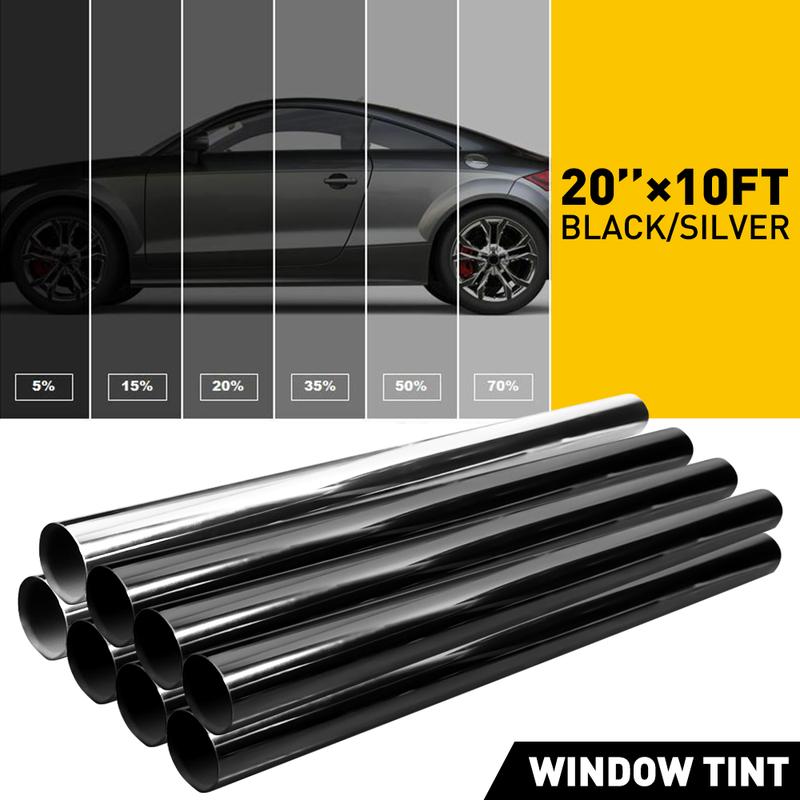
| Reference listing | 300CM Uncut Roll Window Tint Film 1% 5% 15% 20% 35% 50% 70% VLT 20" x 10ft Feet Car Home Office Glass |
|---|---|
| Marketplace & list | TikTok Shop US · Hot Selling (category list) |
| Rank in list | #96 |
| Retail price (reference) | $26.00 |
| Monthly sales | 1,133 |
| Month-over-month growth | -41% |
| Rating | 3.8 ★ (350 reviews) |
| Listed since | Nov 2025 |
| Opportunity score | 47/100 |
| Data collected | 2026-11-05 |
Retail reference price on the destination marketplace — not a sourcing price. Ranking aggregated from public marketplace data; verify the live listing before making decisions.
Window tint film is a category where one product masks several different buyers: car owners chasing heat rejection and looks, homeowners chasing privacy and UV control, renters chasing a removable solution. That is why uncut rolls sold in multiple VLT (visible light transmission) levels dominate marketplace listings — one roll format covers every customer’s darkness preference, and installers buy by the foot.
The item in this listing is a 20-inch × 10-foot uncut roll offered across seven VLT levels from 1% limo-dark to 70% near-clear, positioned for car, home and office use. It sits on the improvement-opportunity list — real sales volume, rating with room to grow — which in this category usually traces to installation difficulty complaints and hazy adhesive, both of which are specification issues you can out-engineer.
What the numbers say
A #96 position on the TikTok Shop US · Hot Selling (category list) with 1,133 rolls sold in the past month at a 3.8-star rating across 350 reviews is the classic film-category profile: demand is proven, and the complaints concentrate on clarity, adhesive residue, and curl. The multi-VLT format (live since Nov 2025, moving -41% month-over-month) is the interesting structural choice — seven SKUs on one listing spreads reviews thin, which is partly why the rating has headroom for a better-executed competitor.
Spec checklist — confirm these with the factory
| Construction | Multi-layer PET with adhesive (dyed, metalized, or ceramic) vs. static cling; static cling is removable and renter-friendly, adhesive lasts longer |
|---|---|
| VLT levels | Offering 5%–70% in steps covers every market segment; confirm each level is actually measured, not labeled by feel |
| UV rejection | UV-blocking additives (UV absorbers in the adhesive or layer); ask for a measured UV-rejection percentage, not "99% UV protection" as a slogan |
| Thickness | Film mil thickness (typically 1.5–4 mil); thicker handles install abuse, thinner conforms to curves |
| Clarity / haze | Optical clarity grade — haze percentage is the measurable spec behind "blurry film" complaints |
| Release liner | Liner quality affects installation; cheap liners tear mid-install |
| Roll dimensions | 20 in × 10 ft is a car-oriented size; home windows want wider rolls — confirm width options |
What drives the cost
- Film construction — dyed film is cheapest, metalized mid-tier, ceramic top-tier with the best heat rejection and price.
- VLT range breadth — each VLT level is a separate production run; fewer levels per order lowers MOQ and price.
- Adhesive system — pressure-sensitive adhesive quality is where haze and residue complaints originate.
- Width — wider rolls cost more per foot but unlock the home-window segment at higher retail prices.
Compliance & documentation
- Vehicle use: US state laws regulate window tint darkness and reflectivity, typically measured by VLT — several states restrict windshield and front-side application. If you market for automotive use, include state-law guidance in your listing and avoid implying street-legal tint at very low VLT levels.
- Building use: window film is generally unregulated for homes, but confirm fire-safety classification expectations with your buyer if positioning for commercial buildings.
- California Prop 65: confirm with the supplier for adhesive and coating components.
- Claims discipline: "99% UV rejection" and "blocks X% heat" should trace to a measurement method the supplier can reproduce — ask how the number was obtained.
QC checkpoints before shipment
- VLT verification: measure each batch with a transmission meter — labeled VLT and measured VLT routinely differ by 5+ points.
- Haze and clarity check against a golden sample under store lighting.
- Adhesive residue test: apply to glass, remove after 2 weeks, check for residue — the #1 one-star driver for adhesive films.
- Curl and liner check after simulated shipping (flat pallets, warm container).
- Roll width and length verification per lot — short rolls are a quiet cost.
Who this fits
- Auto-accessory brands adding film to a detailing or accessories line.
- Home-improvement sellers serving the privacy/renter segment with static-cling variants.
- Installers and glazing shops buying uncut rolls by the foot for custom jobs.
FAQ
Which film type should I source — dyed, metalized, or ceramic?
Match the segment: dyed film wins on price for privacy buyers, metalized balances cost and heat rejection but can interfere with signals, ceramic is the premium heat-rejection tier. The listing profile here (multi-VLT roll at $$26.00 retail moving 1,133/month) is a dyed-to-metalized play; ceramic is a separate, higher-ticket sourcing conversation.
What MOQ should I expect for custom film rolls?
Stock VLT levels on existing production lines often start around 500–1,000 rolls; custom widths, private-label boxes, or additional VLT levels usually start at 2,000–3,000 rolls per level. A listing moving 1,133 rolls a month supports testing one or two VLT levels first rather than all seven.
Why is the rating on film listings so often mediocre?
Read the reviews: complaints cluster on haze, adhesive residue, and installation difficulty — not on darkness or color. All three are specifiable (clarity grade, adhesive residue test, better release liner and instructions). The 3.8-star average on this listing is a roadmap for a better-executed competitor, not a category ceiling.
Can I legally sell very dark film for cars?
You can sell the film; how and where customers apply it is regulated state by state, mostly by VLT on windshields and front side windows. Position very dark VLT levels for rear windows, private/security, or non-vehicle uses, and put a plain-language state-rules note in the listing — it also deflects the "illegal tint" one-star reviews.
Want supplier options for this product?
Send the requirement — our team screens factories, compares quotes and manages samples. Reply within 24 hours.